

August 1, 2026
In today's competitive business landscape, optimizing logistics and supply chain processes can significantly impact a company's bottom line. One of the pivotal areas is warehousing, where efficiency plays a crucial role in reducing operational costs. This article explores the various ways efficient warehousing can streamline operations, minimize expenses, and boost profitability. By improving the strategic implementation of warehouse management, businesses can potentially transform their financial outcomes. The following sections delve into key aspects of enhancing warehouse efficiency and cost-effectiveness.
1. Strategic Space Utilization
Efficient warehouse space utilization ensures that every square foot contributes to productivity. It involves careful planning to eliminate wasted space and improve the storage capacity of the facility. Strategic design layouts can significantly impact the effectiveness of material handling processes. By employing shelving systems that maximize vertical spaces, businesses can add substantial storage without expanding the physical footprint. The industry is seeing a surge in automated systems that help analyze and manage space efficiently, easing congestion and enhancing workflow.
Moreover, redesigning warehouse layouts to fit specific operational needs can provide substantial savings. For instance, placing high-turnover items closer to shipping areas reduces travel time and increases efficiency. Businesses must continuously evaluate and adapt the layout to reflect changes in inventory or business strategies. According to Mordor Intelligence, short-term storage accounted for around 63.02% of the warehousing and storage market in 2025, highlighting the need for adaptable spaces. Therefore, dynamic allocation strategies can accommodate fluctuating storage needs while maintaining operational efficiency.
Advanced modeling techniques can also support strategic space planning. Through scenario analysis, businesses can assess different layout configurations and foresee potential bottlenecks. Software solutions that simulate real warehouse operations offer insights into ideal space utilization strategies. Aligning physical space optimization with operational objectives leads to streamlined processes and cost reductions. Finally, strategic space utilization supports sustainable growth by accommodating future expansions without major overhauls.
2. Ergonomic Design for Worker Efficiency
Ergonomic design in warehousing targets improved human and system interactions, aiming for enhanced worker efficiency. By designing workstations and workflows that minimize excessive movement and strain, businesses can ensure higher productivity levels. Ergonomically designed warehouses not only increase efficiency but also play a critical role in decreasing injury rates. A workspace optimized for human movement can foster an environment that reduces fatigue and enhances job satisfaction. The initial investment in ergonomic improvements often results in reduced absenteeism and lower workers' compensation claims.
Ergonomic assessments can highlight areas in warehouses that may contribute to inefficient movements or discomfort. For example, placing frequently used items at waist height helps reduce bending and reaching, which can slow down operations and cause physical strain. Training employees on ergonomic principles further ensures successful implementation of redesigned spaces. Ergonomic solutions like adjustable workstation heights and supportive flooring materials offer additional comfort for warehouse personnel. Investing in these measures is a direct way to boost productivity and minimize operational costs associated with turnover and injuries.
Technological advancements complement ergonomic design, adding to worker efficiency. The integration of wearable technology provides real-time data, assisting workers in identifying posture improvements or alerting them to tasks that require specific ergonomic practices. Utilizing automation, combined with ergonomic tools, reduces manual handling and speeds up processes. As warehouse operations become more complex, merging ergonomic practices with technological aids is pivotal. Ensuring the workforce's well-being not only cuts costs but also fosters a resilient and motivated workforce, key to sustaining efficient operations.
3. Implementing Cross-Docking Systems
Cross-docking is a technique aimed at minimizing warehousing and storage time, thereby reducing costs. This logistics strategy involves the transfer of goods from inbound to outbound transportation without significant storage in between. Utilizing cross-docking can lead to quicker product turnover, effectively reducing the need for extensive storage. By employing this method, businesses can decrease inventories that incur high carrying costs. It allows the warehouse to serve as a transition point, enhancing shipment efficiency and fulfillment speed.
Adopting cross-docking systems requires precise synchronization and robust IT support. Through advanced communication systems, warehouses can efficiently manage schedules and shipping orders to facilitate the timely arrival and departure of goods. Aligning with real-time demand forecasts, this strategy ensures that production closely matches shipments, reducing excess inventory. The logistics infrastructure involved allows for minimal handling of goods, directly leading to reduced labor costs. Furthermore, cross-docking is pivotal in reducing obsolescence for perishable or time-sensitive goods.
A significant advantage of cross-docking is the reduction of storage space requirements. By decreasing the storage period, short-term storage needs, which dominate the market as per industry insights, can be more effectively managed. Businesses can utilize warehouse space more strategically—focusing on active flow rather than stagnant holding areas. This approach supports improved cash flow by shortening the time between receiving goods and shipping them to customers. Cross-docking systems, when implemented effectively, thus contribute to significant operational cost savings, aligning with the trends of dynamic supply chain economies.
4. Reducing Aisle Width for More Storage
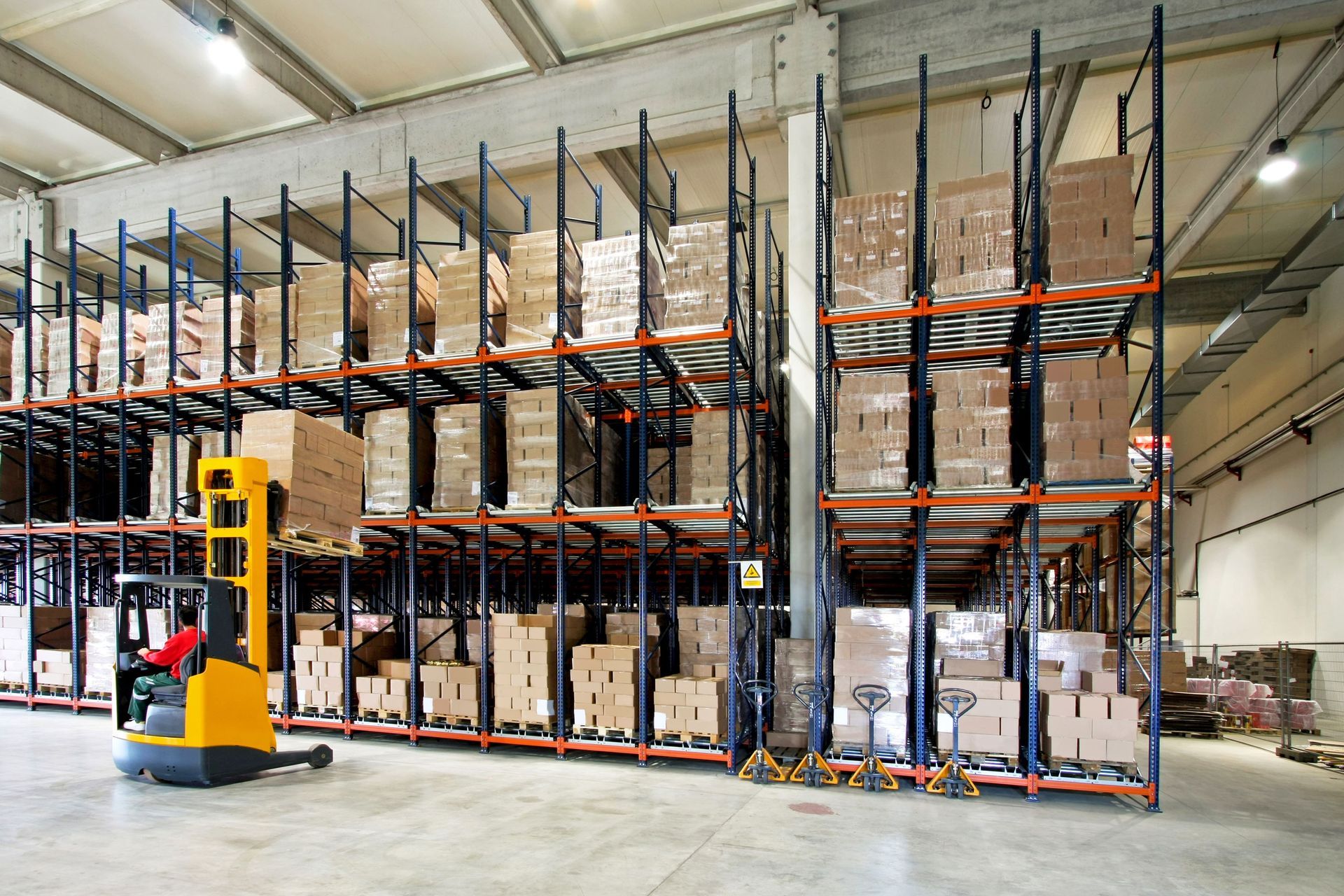
Traditional warehouse designs often allocate considerable space to accommodate wide aisles for maneuvering forklifts and other equipment. However, narrow aisle designs can substantially increase storage efficiency by providing more space for shelving. Narrow aisle forklifts and automated aisle systems are specifically designed to operate in reduced space without compromising safety. This strategic shift allows for a greater number of goods stored per square foot, directly impacting storage density and optimizing floor space. By making better use of vertical space and denser configurations, businesses can improve storage capacity without physical expansion.
While narrow aisles improve storage, the flow and safety factors need careful consideration. Incorporating advanced materials handling equipment that operates in narrower spaces ensures operations remain smooth and efficient. Additionally, facilities may employ guidance and tracking systems to assist personnel and equipment in navigating tight spaces effectively. Continuous monitoring and technology integration are vital to manage these high-density areas well. Reducing aisle width ultimately supports reduced storage costs and aligns with the growing demand for more efficient short-term storage solutions.
Cost savings from reduced aisle width extend beyond increased product density. Lower facilities' maintenance costs arise from minimized wear on surfaces and structures not subjected to heavy traffic. Moreover, narrower aisles reduce the footprint needed for storage, which can lead to significant savings on utility expenses and lease costs. This efficient use of space aligns with contemporary storage market trends, where maximizing storage without expansion holds economic and sustainability benefits. Understanding this balance between storage density and operational efficiency is key to successful cost management in warehouse operations.
5. Using Vertical Storage Solutions
Vertical storage solutions fundamentally change the way space is utilized in warehouses. Instead of expanding horizontally, vertical storage systems such as mezzanines and vertical lift modules offer significant storage capacity in tighter spaces. By harnessing vertical space creatively, businesses can significantly increase storage capacity within existing structures. Vertical optimization allows inventory levels to increase substantially without expanding the warehouse footprint. Such storage solutions align well with the growing emphasis on short-term storage efficiency, as identified by market research.
Efficient warehousing is a key driver of reduced operational costs and improved profitability. From strategic layout designs to the integration of advanced technologies, businesses can achieve significant savings by honing their warehousing operations. By focusing on these critical areas, organizations can shift resources towards growth-oriented strategies, ultimately achieving a competitive edge in the marketplace. The adoption of these practices supports robust warehouse infrastructures resilient in the face of complex market dynamics.
Efficient warehousing stands as a cornerstone of sustainable operational success, appealing to the need for businesses to remain agile and forward-thinking in their approaches. Be sure to reach out to Innovative Business Services today to learn more about our professional warehousing!